Planning your next move? We explain how porting works, what changes when you borrow more or less, and how to keep your mortgage moving in step with the property chain.
What changes, what stays the same, and how to keep the mortgage in step with the move.

Moving home usually means one of two things: taking your current mortgage deal with you, known as porting, or arranging a new mortgage altogether, whether with your existing lender or a different one. Which makes sense depends on your current deal, whether you are borrowing more or less, and how competitive your existing rate still is.
We look at both options and the overall cost of each before recommending a way forward.
Porting means taking your current mortgage rate and terms with you to a new property, rather than starting again with a new deal. It can make sense if you are part way through a good fixed rate and want to avoid an early repayment charge.
Porting is not automatic. Your lender will reassess your income, outgoings and the new property, and there is no guarantee they will lend the same amount again, particularly if your circumstances have changed.
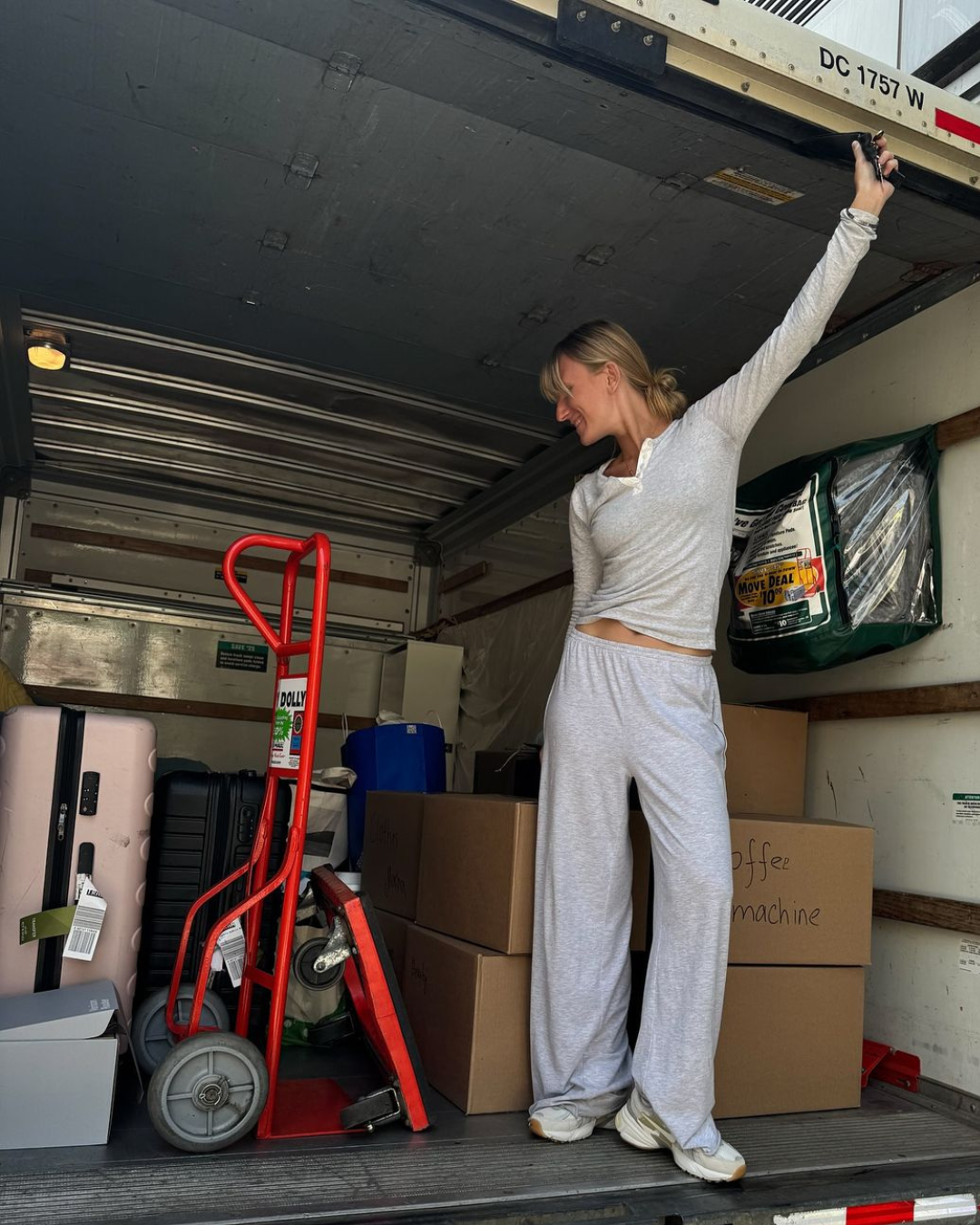

If your next home costs more, you may need to borrow more, either through additional lending on a ported deal or as part of a new mortgage. If you are downsizing or have extra equity, you might borrow less, which can sometimes mean an early repayment charge if you reduce a ported balance below what your lender allows.
Lenders reassess affordability every time, even if you are porting, so a change in income, a new credit commitment, or higher outgoings since your last mortgage can all affect what you are offered. It is worth having this conversation early, before you make an offer on a property.
The equity in your current home, its value minus what you owe, usually forms some or all of the deposit on your next one. How much you have depends on your outstanding mortgage balance and current property values, so it is worth getting an up to date picture before you start viewing.
Moving home often means being part of a chain: your buyer, your onward purchase, and everyone else's transactions above and below you. Mortgage timelines need to work alongside legal and chain timelines, so we try to keep your mortgage on track without being the reason a chain slows down.

We compare porting against a new mortgage, explain what a change in borrowing would mean for your payments, and keep things moving alongside your chain. Eligibility always depends on your circumstances and individual lender criteria.
The questions we hear most from people moving to their next home.
Speak to an adviserPorting means taking your current mortgage rate and terms with you when you move, rather than starting a new deal. Your lender will still reassess your income, outgoings and the new property, so it is not automatic or guaranteed.
Often, yes, through porting, particularly if you are part way through a fixed deal and want to avoid an early repayment charge. Whether it makes sense depends on your current rate, how much you need to borrow, and what else is available.
Not necessarily. You can often port your existing deal instead. Whether porting or a new mortgage suits you better depends on your current rate, your new borrowing needs and your circumstances at the time.
Your mortgage offer needs to stay valid while the wider chain completes its legal work. We try to keep your mortgage timeline moving alongside the chain, so it is not the reason things are held up.
Yes, if your next home costs more, additional borrowing can usually be arranged alongside a ported deal or as part of a new mortgage. Lenders will assess affordability on the full amount at the time of your application.
If you are downsizing or have more equity, you might need to borrow less. Reducing a ported balance below what your lender allows can sometimes trigger an early repayment charge, so it is worth checking this before you commit.
The gap is usually covered by any equity from your current home plus additional borrowing, subject to affordability. We can talk through what that might look like once you have an idea of your next home's likely price.

Whether you are buying, moving, remortgaging or you simply want to understand your options, speak to the ICE Mortgages team. No jargon, no pressure, just a straight conversation about what is possible.